"Living in Puerto López, Ecuador: Expat Guide to the Whale-Watching Capital (2026)"

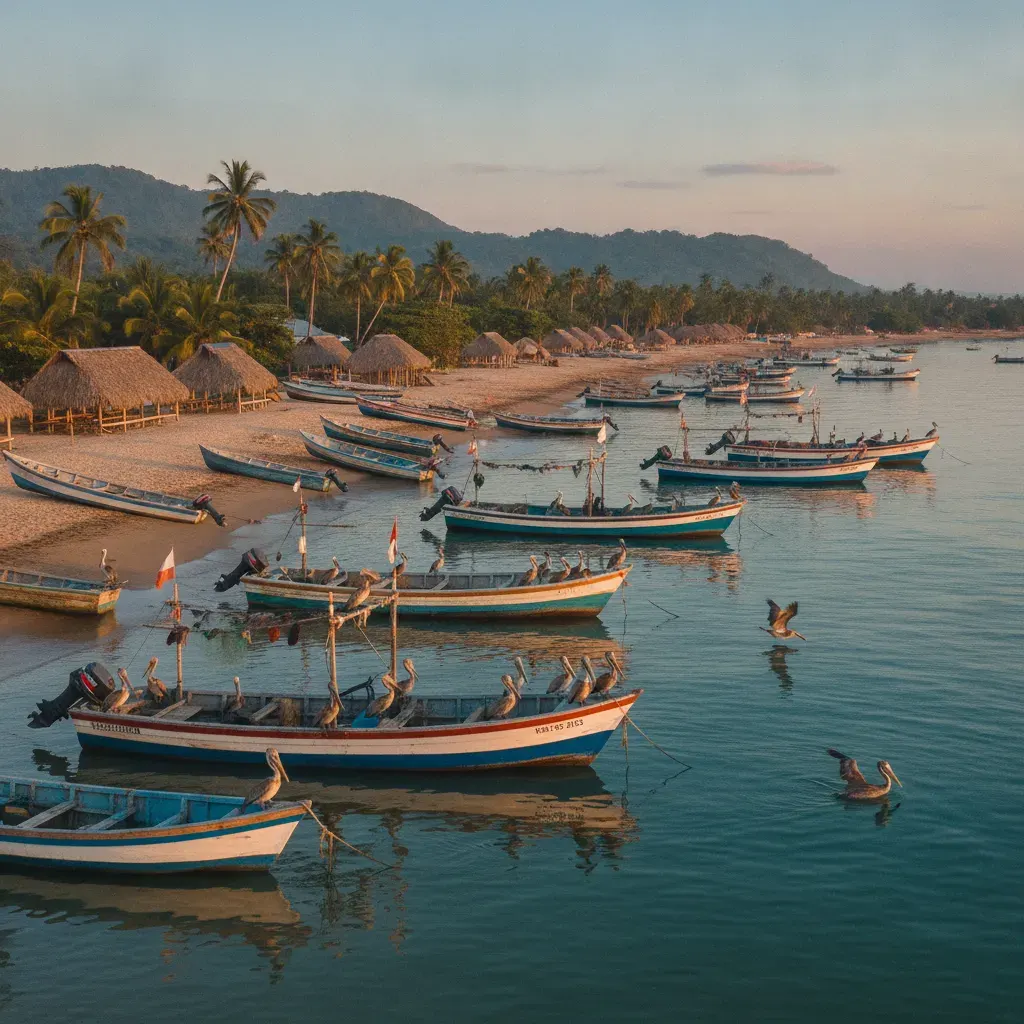
Puerto López is a working fishing town that happens to sit at the doorstep of one of Ecuador's best national parks — and for a few months a year, it becomes the whale-watching capital of the country. For expats who want small-town coastal life with real nature on the doorstep, it's one of the most appealing spots on the Ruta del Spondylus.
Quick Facts
- Location: central Manabí coast, roughly 1.5–2 hours south of Manta and 4–5 hours from Guayaquil by bus
- Known for: humpback whale watching (roughly June–October, peaking July–September), Machalilla National Park, and Isla de la Plata
- Typical rents: $300–$650/month for a 2-bedroom place as of late 2026
- Services: a small hospital/clinic, supermarkets, markets, and a decent range of restaurants and hotels
- Vibe: seasonal, small, and friendly, with a modest expat and volunteer presence
The Town
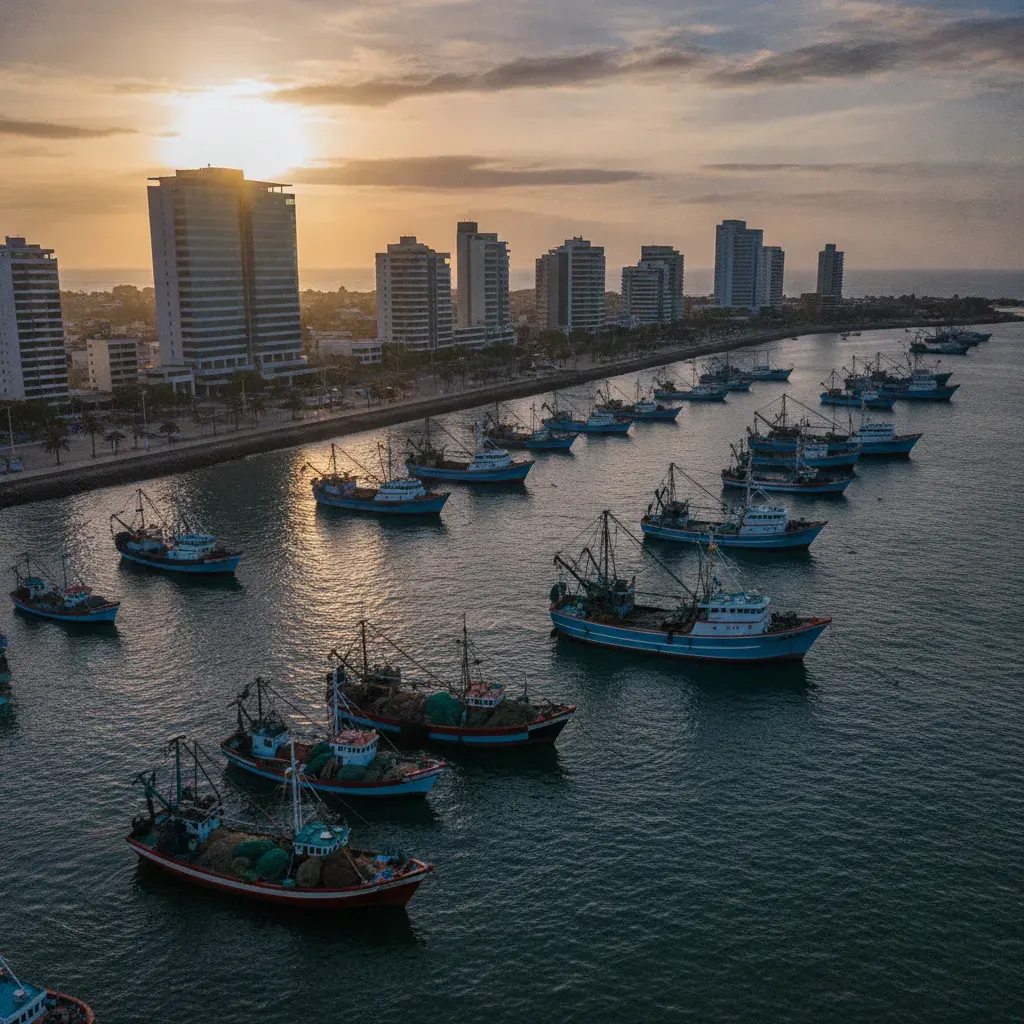
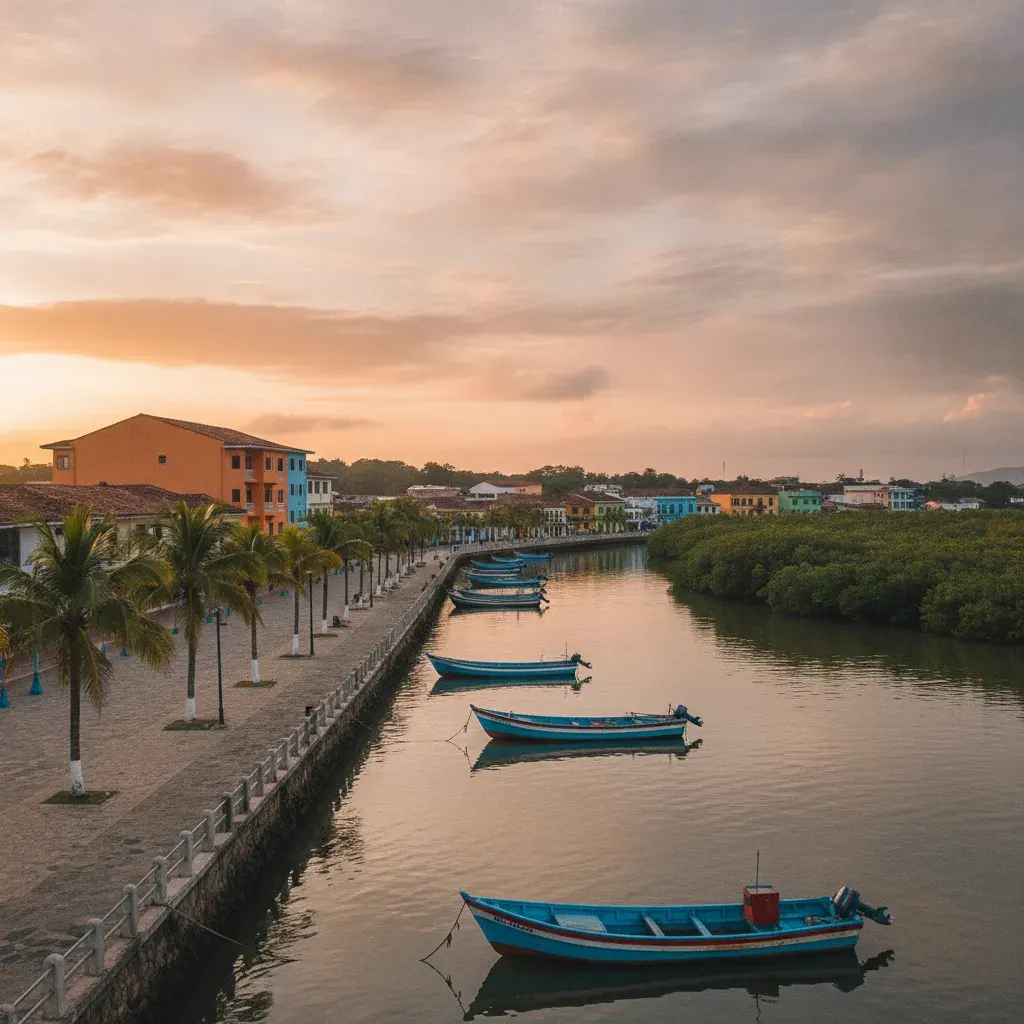
Puerto López is built around fishing and tourism. The malecón is the center of everything: boats, seafood restaurants, tour operators, and the comings and goings of a fleet that still works for a living. It's not a resort town — it's a town that hosts tourists — which keeps prices and attitudes grounded. You can walk most of it in twenty minutes.
Whale Season and the Tourism Rhythm
From roughly June through October, humpback whales migrate up the coast, and boats leave from the malecón daily — peak season is July through September. This is when the town is at its liveliest, with hotels full and restaurants busy. Ecuadorian holidays bring a second wave of visitors. The wet months, roughly January to April, are quiet: some businesses reduce hours, rents soften, and you'll have the beach more or less to yourself.
Machalilla National Park and Nearby Beaches
- Playa de los Frailes: often named among Ecuador's most beautiful beaches, with a protected cove and a short trail; access is regulated, so check current entry rules locally
- Playa Negra: a quieter, darker-sand beach nearby, good for a low-key day
- Isla de la Plata: the "poor man's Galápagos" — day trips from Puerto López for blue-footed boobies, frigatebirds, and snorkeling, typically paired with whale watching in season
- Machalilla's dry forest and Agua Blanca: community-run archaeological and nature sites inland worth a visit
Rents and Cost of Living
Housing is affordable: $300–$650 a month for a two-bedroom as of late 2026, with furnished places near the beach at the higher end. Food, taxis, and everyday services are inexpensive. A couple can live well on a modest budget here, which is a big part of the appeal.
Services and Healthcare
Puerto López has a small hospital/clinic and several pharmacies for routine needs, plus supermarkets and markets for groceries. For anything serious, expats travel to Manta (1.5–2 hours) or Guayaquil. If you have ongoing medical conditions, factor that distance in before committing.
Internet
Internet reliability varies by street and provider — test before signing a lease, ask neighbors, and check speeds at different times of day. Starlink is increasingly common and has made remote work far more practical here than it was a few years ago.
Getting There
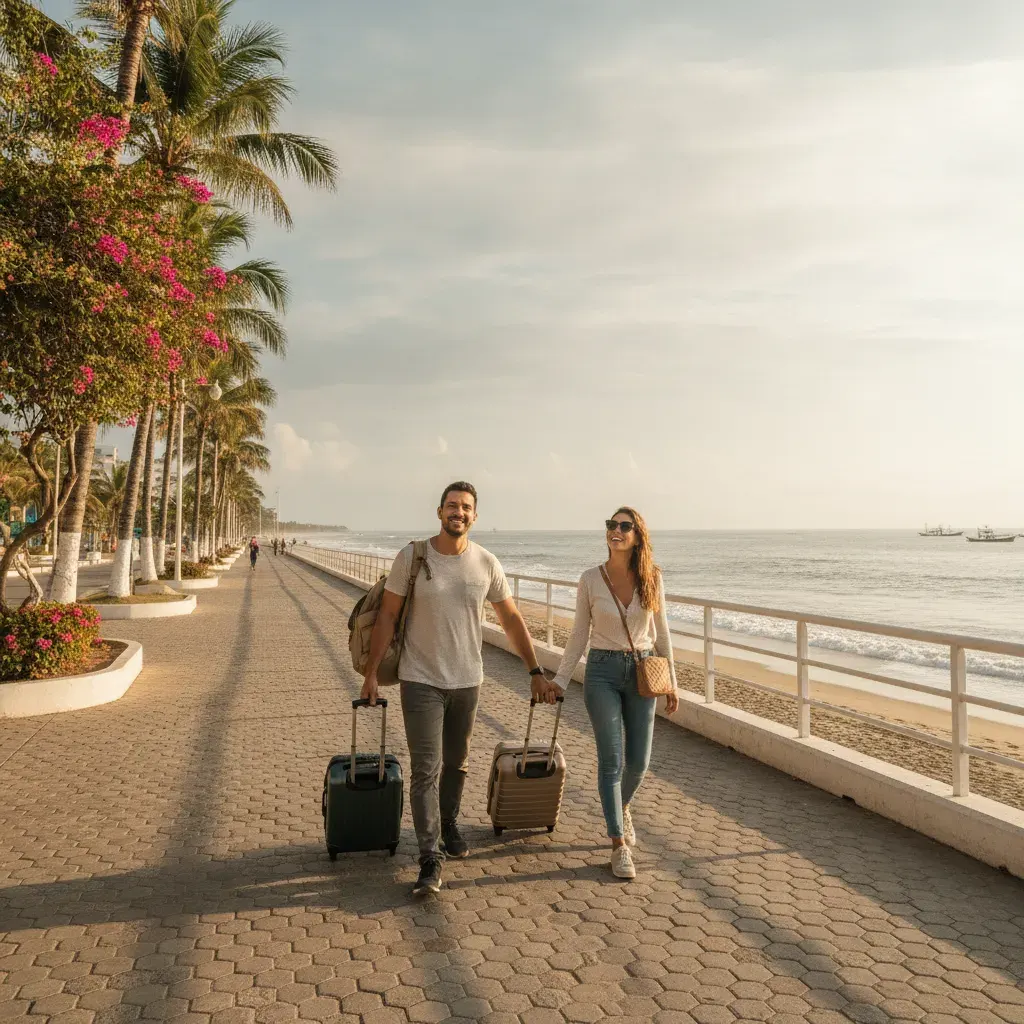
Direct buses run from Manta (about 1.5–2 hours) and Guayaquil (roughly 4–5 hours). The route from Guayaquil passes through Jipijapa and the coastal hills — scenic but winding. Most expats fly into Manta or Guayaquil and take a bus or drive.
Expat and Volunteer Scene
The expat community is small but present: retirees, a few remote workers, and long-stayers who came for whale season and didn't leave. There's also a volunteer scene connected to conservation, community projects, and the park — a good way to plug in if you're new.
Buying Property: Go Slow
Rural coastal property around Puerto López can have complicated title histories, and water access is not guaranteed — some lots rely on cisterns or shared sources. Never buy without an independent lawyer, a title search, and proof of legal water access and building permits. Pay for good due diligence; it's far cheaper than a mistake.
Safety Basics
Day-to-day life feels calm, but use the same precautions as anywhere on the coast: don't leave valuables on the beach or visible in cars, avoid isolated areas at night, and use trusted transport. As of late 2026, Ecuador has used states of exception that can include curfews in coastal provinces — check official channels for the current situation.
Who It Suits
Puerto López suits budget-minded expats, nature and wildlife lovers, whale-watching fans, and people who want a small, walkable town with real community. It doesn't suit anyone who needs big-city conveniences, specialists nearby, or year-round nightlife. For residency and visa questions, services like EcuaPass (https://ecuapass.com) are a common starting point.
What This Means for Expats
If your dream is a simple beach town where the biggest decision of the day is whether to take the morning whale boat, Puerto López delivers — especially if you can be flexible about seasonality and infrastructure. Visit in both the busy season and the quiet wet months, rent before you buy, and keep Manta in your back pocket for hospitals and airport runs.
Last updated: September 2026. General information only — verify details with official sources before acting.
Keep Coastal Ecuador's daily expat briefing independent.
Reader support helps pay for reporting, translation, editing, hosting, and the daily work behind CoastalEcuador.