Moving to Coastal Ecuador: The Complete 2026 Expat Guide

Moving to Coastal Ecuador: The Complete 2026 Expat Guide
People ask me all the time: why Ecuador, and why the coast? The honest answer is that the coast is the part of Ecuador that feels least like a checklist and most like a life. You get the Pacific at your doorstep, a dollar economy, and a cost of living that still makes Americans and Canadians do a double-take. You also get hot afternoons and bureaucracy that rewards patience. This guide walks through what moving here actually looks like as of late 2026.
Why the Coast?
- Dollarized economy. Ecuador uses the U.S. dollar, so there's no currency conversion headache for most North American expats.
- Climate variety. Salinas is dry and breezy; the central coast around Olón and Ayampe is greener; the northern coast near Canoa is warm and relaxed.
- Walkable small towns. In places like Olón or Canoa you can genuinely live without a car for daily errands.
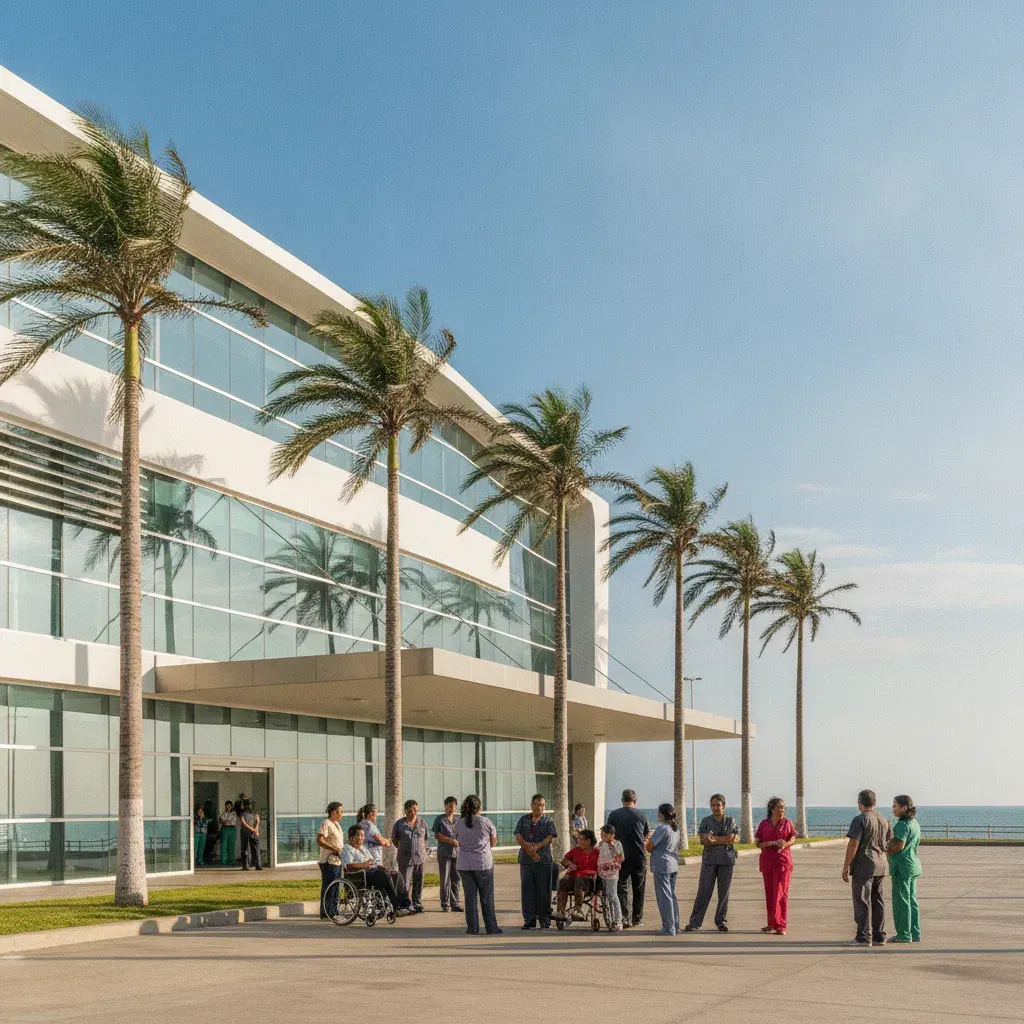
- Real healthcare hubs exist. Manta and Guayaquil anchor the coast's hospital capacity.
The Main Towns at a Glance
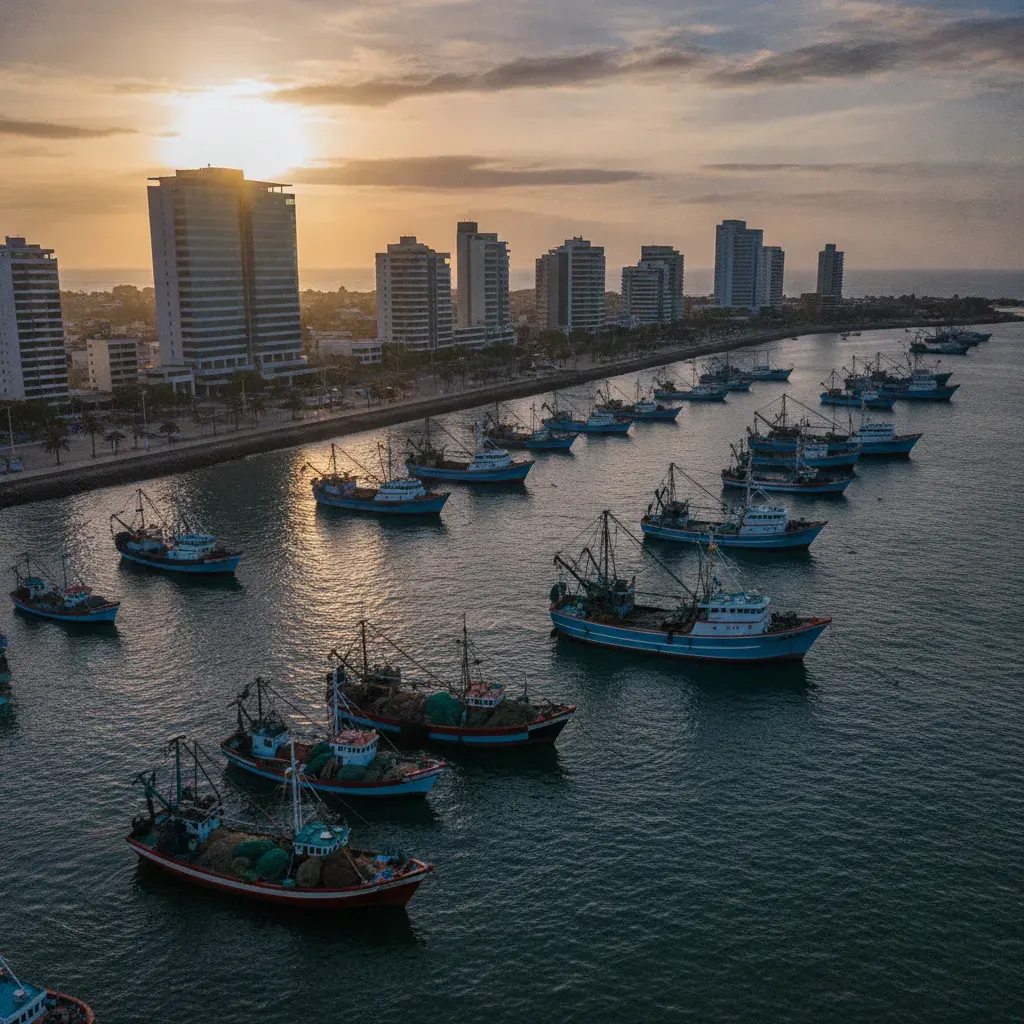
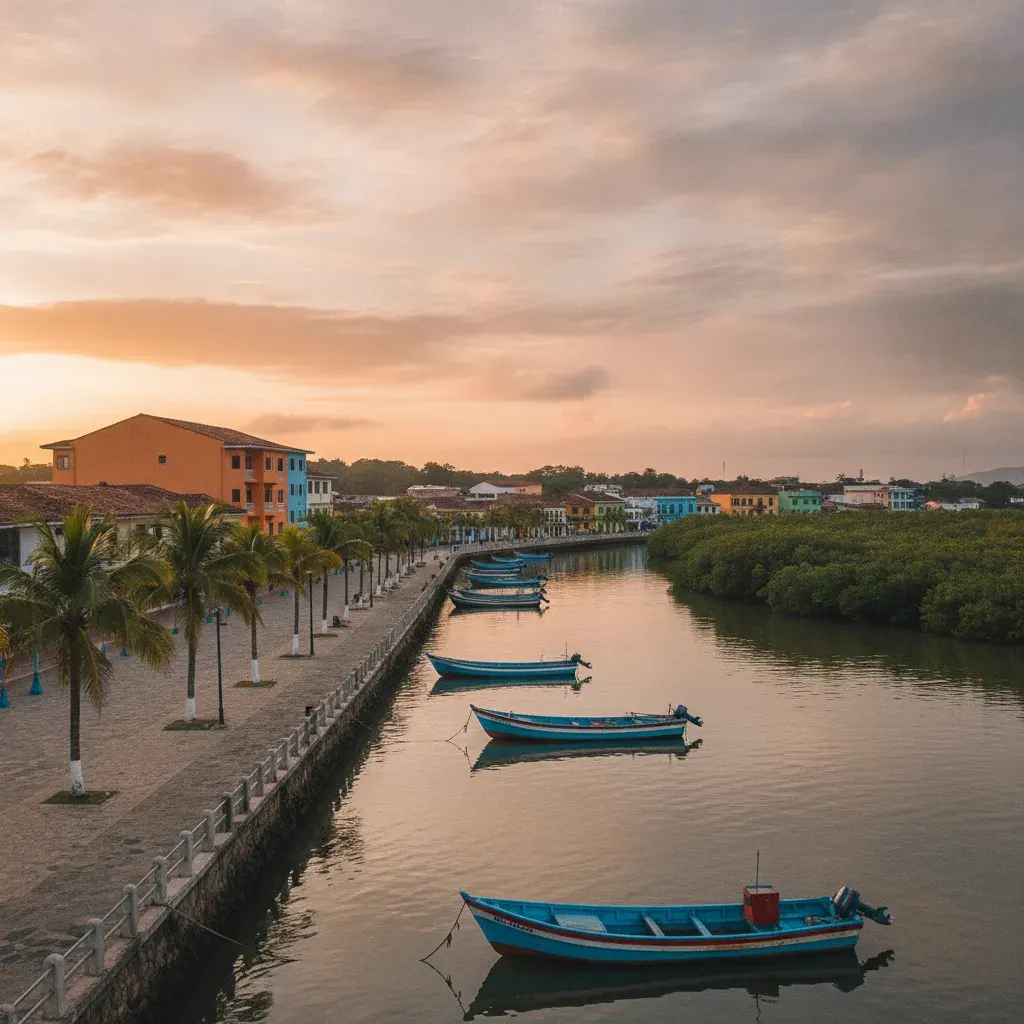
Salinas & La Libertad — established, dry, snowbird-friendly, roughly two hours from Guayaquil. Manta — the coast's biggest city, with an international airport, malls, and the private Manta Hospital Center (24/7 emergency, 30+ specialties). Montañita — surf and nightlife. Olón & Ayampe — quieter surf, yoga, nature. Puerto López — whale watching and the gateway to Machalilla National Park. Bahía de Caráquez & Canoa — small-city life with surf. Atacames/Tonsupa — north coast, close to Esmeraldas. Playas — the closest beach option to Guayaquil.
Visa Basics: Tourist Entry vs. Residency
Most people arrive first as a tourist — typically up to 90 days, extendable in some cases. That's fine for a scouting trip, but it is not a plan for living here long-term. For that, you pursue residency through Migración and the Cancillería (Foreign Ministry).
Common residency tracks include:
- Retirement/pensioner visa — for people with a stable pension or retirement income.
- Investor visa — generally tied to a qualifying investment in Ecuadoran property or a business.
- Professional visa — for credentialed professionals.
- Digital nomad visa — for remote workers earning income from abroad.
Rules, income thresholds, and processing details change. Treat any blog (including this one) as orientation, not law. Verify current requirements with official Migración/Cancillería sources, and consider a licensed facilitator. Many readers use EcuaPass (https://ecuapass.com) to navigate visa paperwork.
Documents to Prepare Before You Arrive
The single biggest source of delay is paperwork from your home country. Start early.
- Apostilles on birth certificates, marriage certificates, and police records.
- Police background check from your country of residence, current within the required window.
- Certified translations into Spanish where required.
- Proof of income (pension letters, bank statements) for pensioner or investor routes.
- Passport validity with comfortable margin.
Timeline Expectations
- Scouting trip: 2-4 weeks.
- Document gathering (apostilles, police records): 4-8 weeks, sometimes longer.
- Visa application and approval: weeks to a few months depending on the track and office workload.
- Cédula (local ID) after approval: a separate appointment you should not skip.
Build slack into your plan. Nothing here moves as fast as a U.S. online form.
Housing Before You Arrive
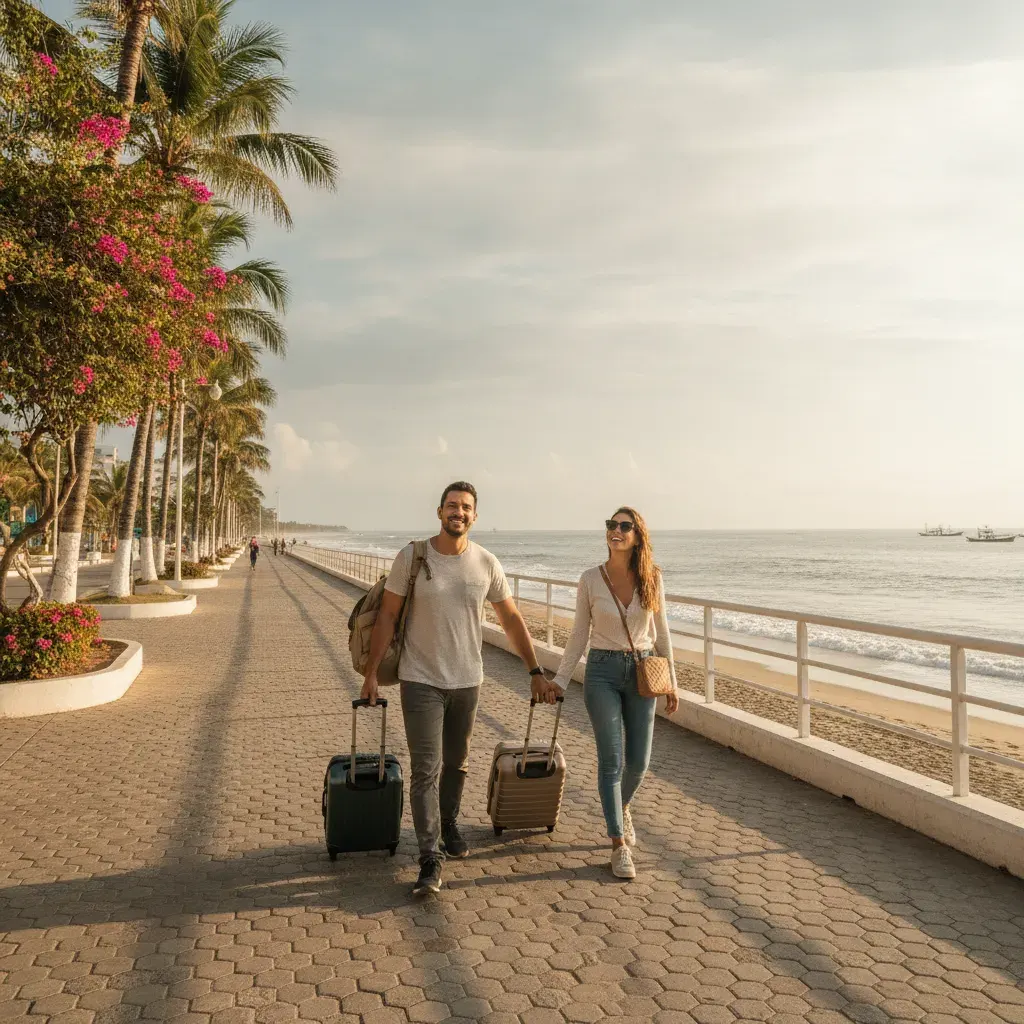
Arrive with a short-term rental booked for at least a month — ideally two. Furnished monthly rentals are common in Salinas, Montañita, and Manta. Don't sign a long lease sight-unseen. Neighborhoods vary block by block, and what looks great in photos may be noisy or remote. Use the first month to explore on foot.
Banking and Money
- Opening a local bank account typically requires a cédula or residency status.
- Many expats use international accounts plus local ATMs in the interim. Keep ATM withdrawals modest and use machines inside banks or malls.
- Bring a backup card and a small cash reserve. Cash still matters for taxis, markets, and small vendors.
Healthcare Intro
Public IESS coverage is available to voluntary affiliates at roughly $85/month minimum (about 18.9% of declared income with a minimum base around $450). Many expats also carry private insurance for faster access and English-speaking providers. Private doctor visits commonly run $30-60. Verify current figures locally.
Cost Expectations
A couple can live comfortably on roughly $1,600-2,500/month in a mid-range beach town, depending on rent and travel. Small surf towns are cheaper; Manta and Salinas are pricier. Electricity can spike during AC season.
Safety, Honestly
Ecuador has faced a national security crisis in recent years, and coastal provinces have seen more crime than the sierra. Practical habits matter more than fear: avoid isolated beaches at night, keep phones out of sight in crowds, use registered taxis or apps, and know that 911 is the emergency number.
What This Means for Expats
The move works best as a two-stage project: scout first, commit second. Rent for a month or two, confirm the town fits your daily reality, then start residency with your documents already apostilled and translated. Expect paperwork to take longer than you'd like, keep a cash buffer, and don't buy property or sign a long lease until you've lived through a full season.
First 90 Days: A Simple Sequence
- Days 1-14: Settle in, get a local SIM, learn your neighborhood, and sort out banking or your ATM strategy.
- Days 15-45: Explore two or three other towns. Decide whether your first pick is actually right.
- Days 30-60: Start residency paperwork if you're staying. Gather remaining documents.
- Days 45-90: Secure longer-term housing, set up healthcare, and build a routine — market, gym, coffee shop, neighbor relationships.
The coast rewards people who slow down.
Last updated: September 2026. General information only — verify details with official sources before acting.
Free: Ecuador Visa Checklist (PDF)
The exact documents you need — sent to your inbox in 60 seconds.
No spam. See the full landing page.
Keep Coastal Ecuador's daily expat briefing independent.
Reader support helps pay for reporting, translation, editing, hosting, and the daily work behind CoastalEcuador.