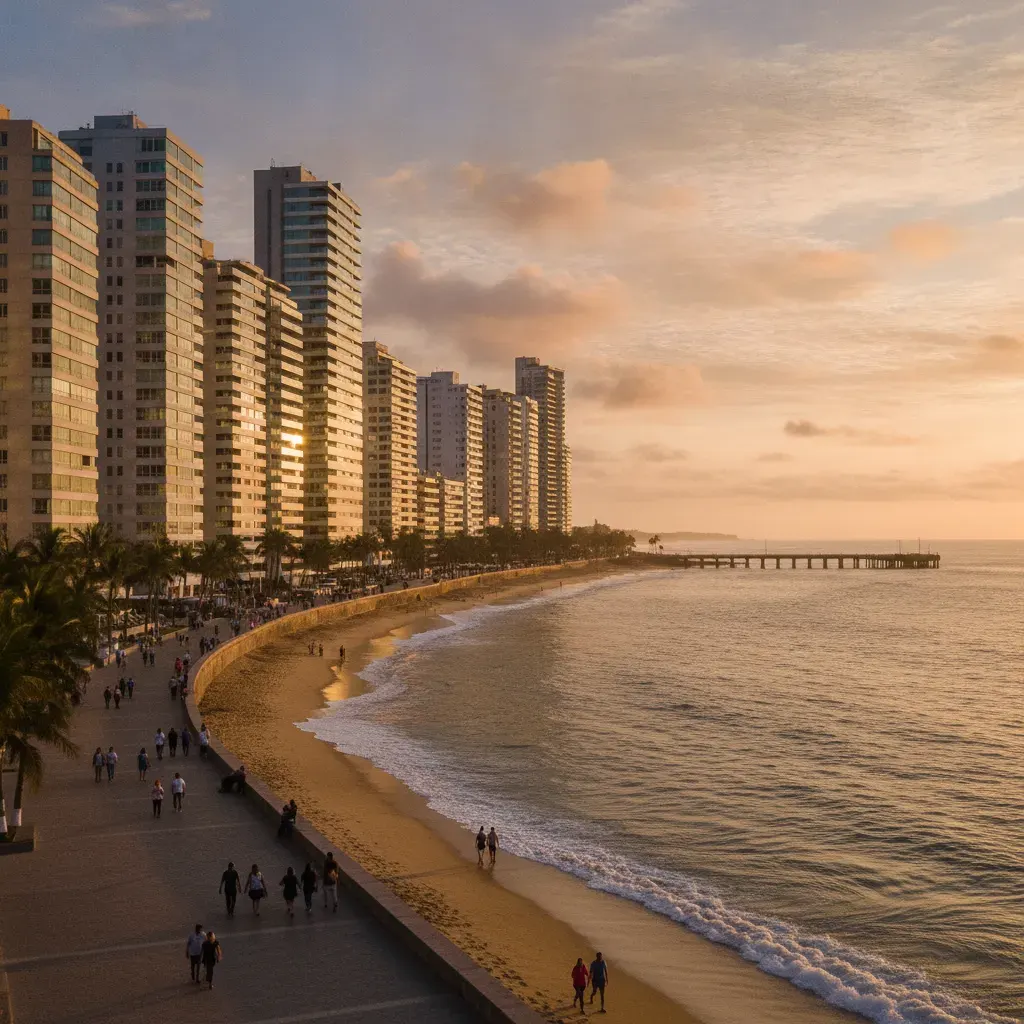
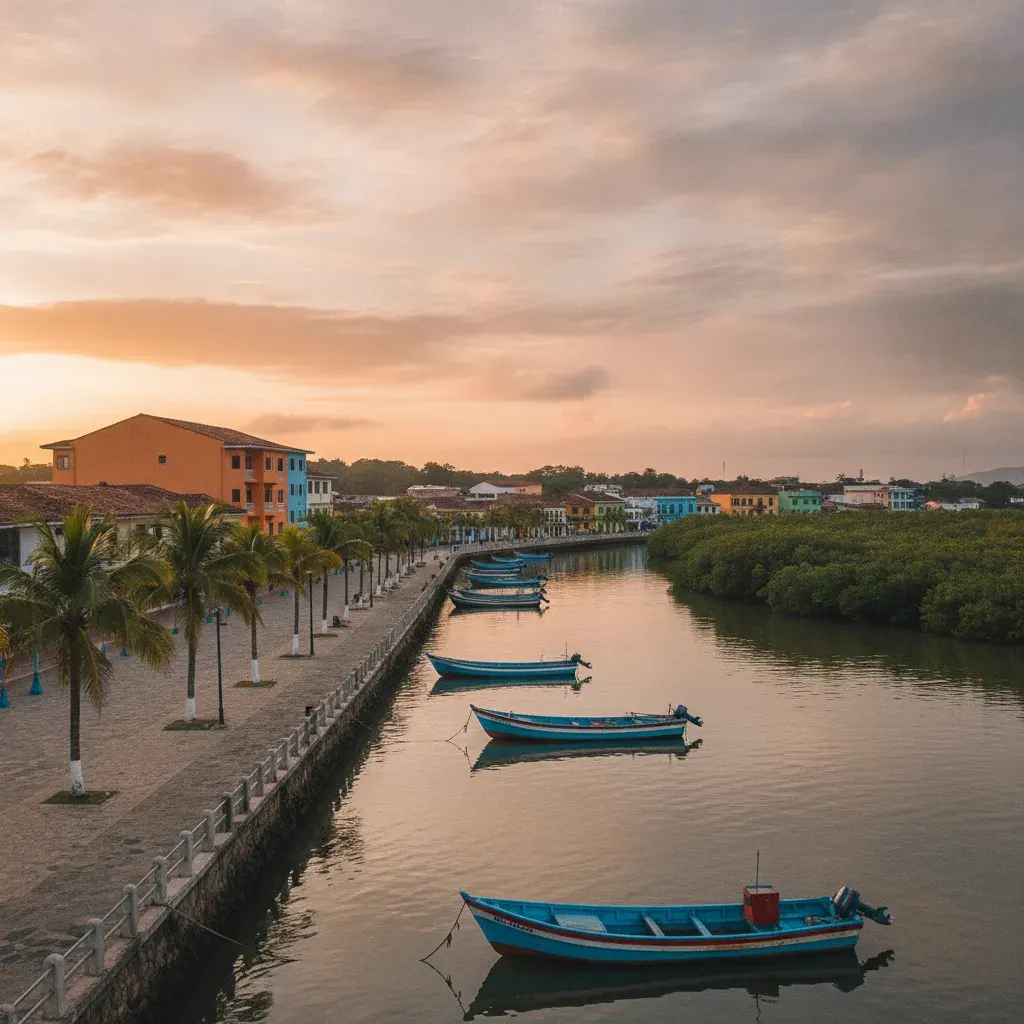
"Montañita, Olón & Ayampe: Surf Towns on Ecuador's Coast for Expats (2026)"

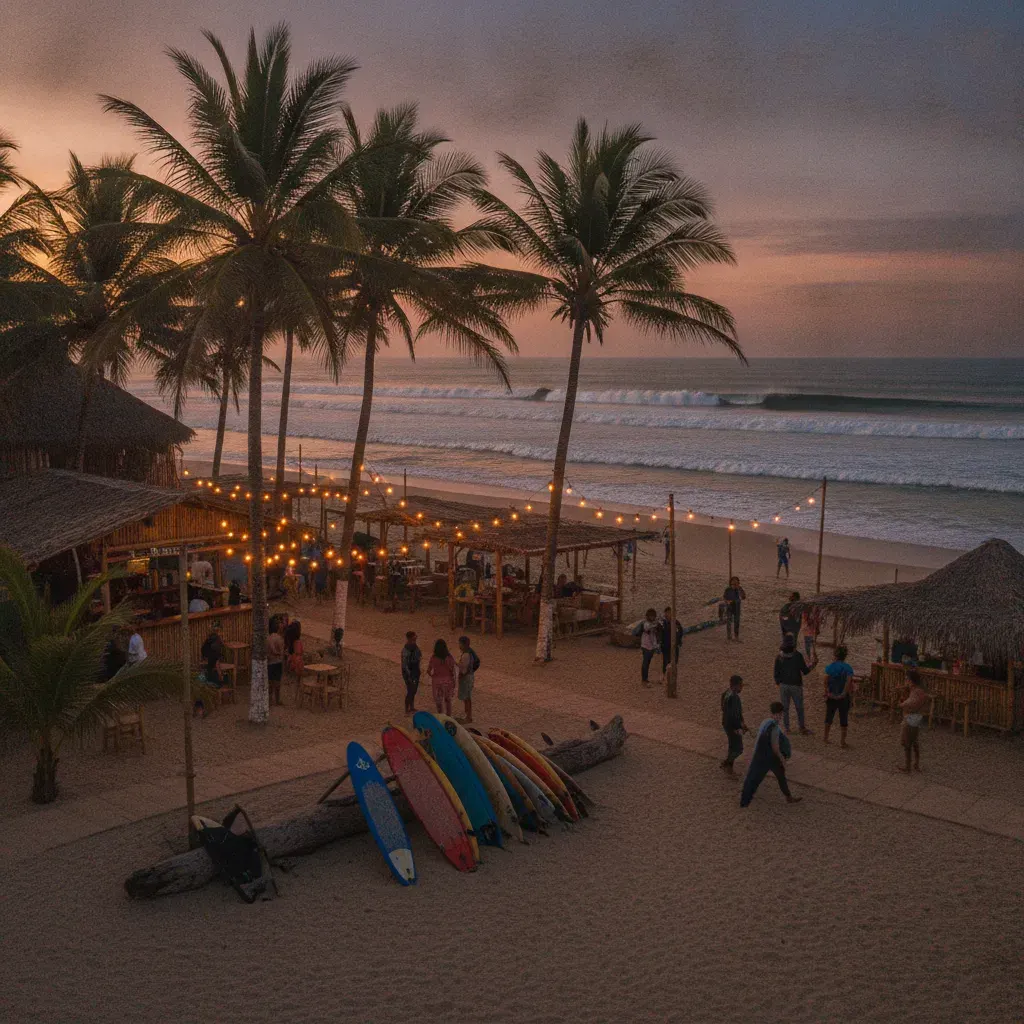
The stretch of the Ruta del Spondylus between Montañita and Puerto López is the closest thing Ecuador has to a classic surf-and-backpacker corridor — and it has quietly become one of the coast's most popular areas for expats. The three towns here sit within about 40 minutes of each other, but they feel like different worlds. Here's how they compare as of late 2026.
The Corridor at a Glance
| Town | Vibe | Typical 2BR rent | Internet | Best for |
|---|---|---|---|---|
| Montañita | Party and surf, international, loud | $450–$900 | Mixed — test before signing | Nightlife, hostels, short stays |
| Olón | Relaxed, family-friendly, long beach | $400–$800 | Mixed but improving | Families, yoga, longer stays |
| Ayampe | Tiny, laid-back, nature-first | $350–$700 | Basic; Starlink increasingly common | Quiet living, surf, budget |
Rents are rough monthly ranges for 2-bedroom places as of late 2026; high season and ocean views push them up.
Montañita: The Party Town
Montañita started as a surf village and became famous for its nightlife. Today it's a mix of hostels, beach bars, street food stalls, surf schools, and an international crowd that swells from December through April. The surf is consistent, the food is cheap, and you can walk everywhere. The flip side: it's loud at night. If you want sleep, don't rent near the main strip. Long-term rentals exist, but many landlords price weekly in high season, so be clear about terms.
Olón: The Quieter Middle Ground
About ten minutes north, Olón has a long beach, a growing restaurant scene, yoga studios, and a family-friendly feel. It's calmer than Montañita but has more services than Ayampe: small supermarkets, bakeries, hardware stores, and a decent coffee culture. The expat presence is growing, especially among longer-stay renters and retirees. Expect $400–$800 for a 2BR as of late 2026.
Ayampe: The Smallest of the Three
Ayampe sits between Olón and Puerto López, at the edge of Machalilla National Park. It's a handful of streets, many of them dirt, with a strong community feel, a good surf break, and nature on every side — birds, hills, and whale season nearby. Services are limited: a few restaurants, small shops, no real supermarket. You'll want a car or patience with buses. Rents are the lowest of the three, typically $350–$700 for a 2BR as of late 2026.
Internet and Utilities
Internet reliability varies street by street in all three towns — this is the number one thing to test before signing a lease. Ask neighbors, run a speed test at the property at different times of day, and confirm what plan the owner actually has. Starlink is increasingly common here and has changed the game for remote workers. Water service can be intermittent in the dry season, so many homes have cisterns or tanks. Power is generally stable, though outages happen.
Healthcare
Expect basic clinics and pharmacies in Montañita and Olón, with a small hospital in Puerto López. For anything serious, expats go to Manta (roughly 1.5–2 hours) or Guayaquil. That's a real consideration for older residents or anyone with ongoing medical needs. Most expats keep a doctor in a larger city and carry health insurance.
Getting Around and Groceries
Buses run along the coast road between towns, and taxi colectivos cover short hops. Having a car makes life easier, especially in Ayampe. For groceries, each town has tiendas and small markets; bigger supermarkets are in Salinas, Santa Elena, or Manta. Many expats do a weekly run for bulk items and buy produce locally.
When to Go
High season runs roughly December through April: dry, sunny, busy, and more expensive. May through November is quieter, often overcast or wetter, with some businesses closing and lower rents. Whale watching nearby peaks July–September, which brings a second wave of visitors to Puerto López.
Buying vs. Renting
Renting first is the smart move in this corridor — it lets you learn the noise, water, and internet realities of a specific street before committing. If you decide to buy, work with an independent lawyer, verify title history, and confirm water access and building permits. Coastal land here can have complicated ownership records, and this is not a place to skip due diligence.
Safety Basics
Petty theft is the main concern: don't leave bags unattended on the beach or valuables visible in cars. As of late 2026, Ecuador has used states of exception that can include curfews in coastal provinces — check official channels and local expat groups for the current situation before you travel or sign a lease.
Who Each Town Suits
- Montañita: younger travelers, surfers, and people who want nightlife and don't mind noise
- Olón: families, couples, and yoga-and-beach people who want calm with some services
- Ayampe: nature lovers, surfers, and budget-conscious expats who value quiet over convenience
What This Means for Expats
This corridor offers some of the cheapest beach living in Ecuador, with a social scene that's easy to plug into. The trade-offs are infrastructure that still lags the highlands and healthcare that requires a trip to Manta or Guayaquil. Try a month in the low season and a week in high season before committing — the same town can feel completely different depending on the month. For visa questions, many expats use services like EcuaPass (https://ecuapass.com) to navigate the paperwork.
Last updated: September 2026. General information only — verify details with official sources before acting.
Keep Coastal Ecuador's daily expat briefing independent.
Reader support helps pay for reporting, translation, editing, hosting, and the daily work behind CoastalEcuador.