"Living in Manta, Ecuador: The Complete Expat Guide (2026)"

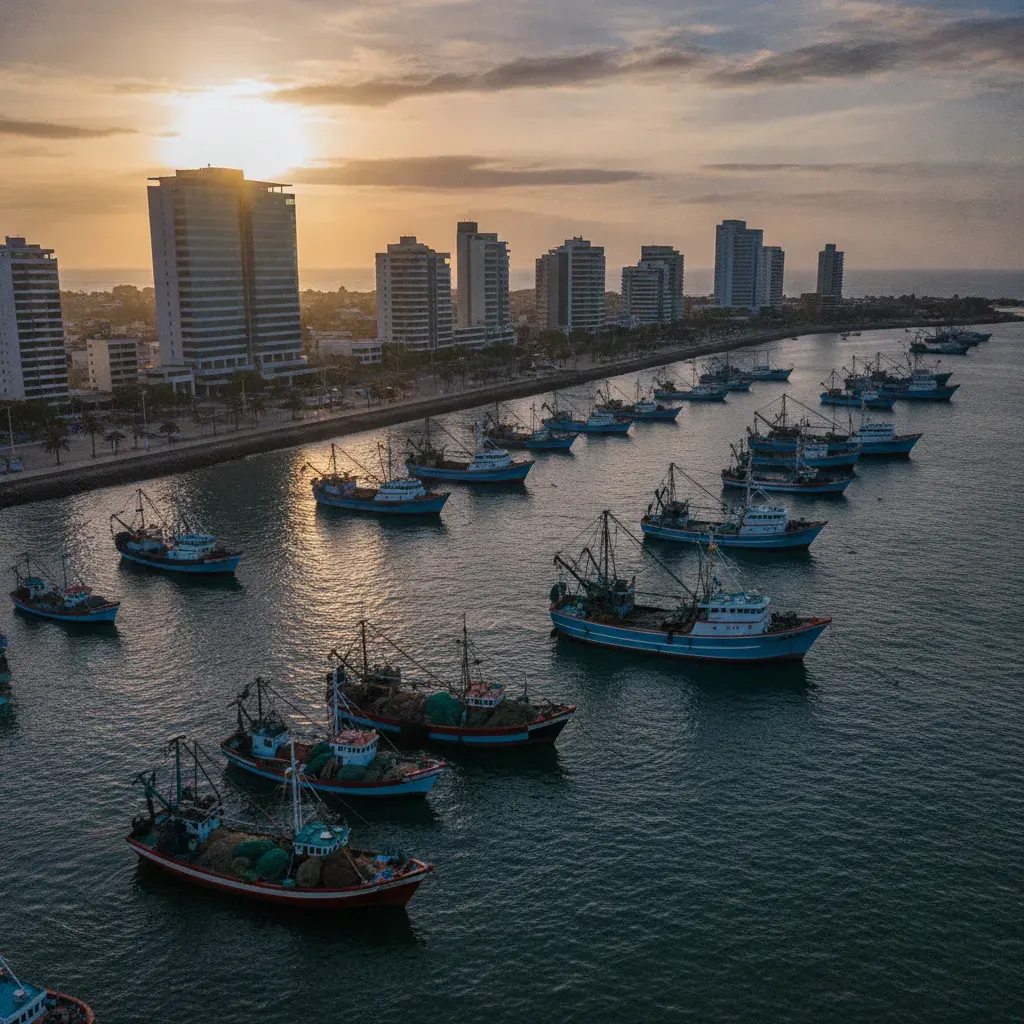
Manta doesn't get the attention Cuenca and Quito do, and that's part of its appeal. It's a working city — home to Ecuador's largest fishing port and the country's tuna industry — with a modern malecón, an international airport, malls, private hospitals, and a growing but still manageable expat community. If you want Pacific coast living with real city services and without big-city prices, Manta is the most practical place on the coast to start.
Quick Facts
- Location: Manabí province, central Pacific coast, roughly 3.5–4 hours by road from Guayaquil
- Airport: Eloy Alfaro International, with regular flights to Quito and Guayaquil and occasional international charters
- Climate: warm and humid year-round; rainy season roughly January through April
- Typical rents: $500–$1,200/month for a 2–3 bedroom home, depending on neighborhood and furnishings, as of late 2026
- Healthcare: the private Manta Hospital Center has a 24/7 emergency room and 30+ specialties; public hospitals and IESS facilities also serve the city
- Higher education: ULEAM (Universidad Laica Eloy Alfaro de Manabí) gives the city a student population and some cultural life
The Malecón and City Life
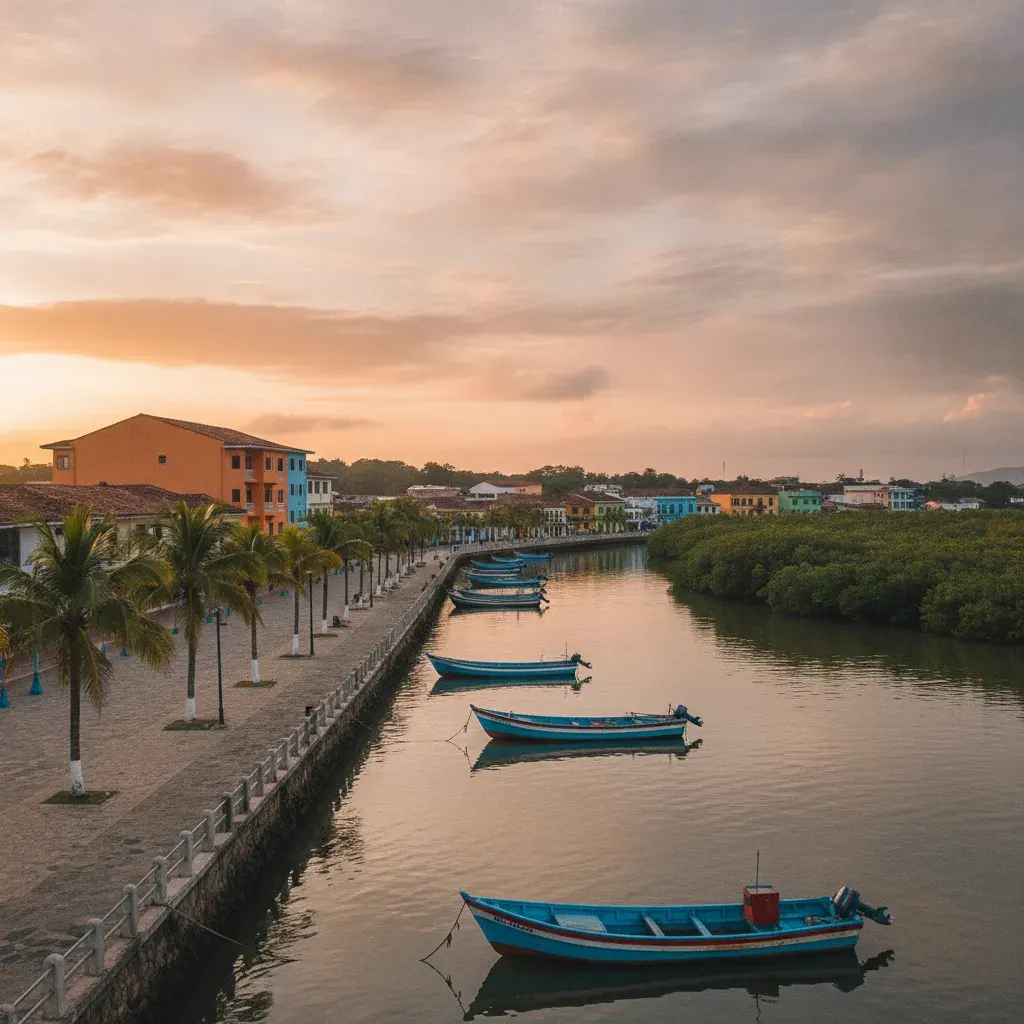
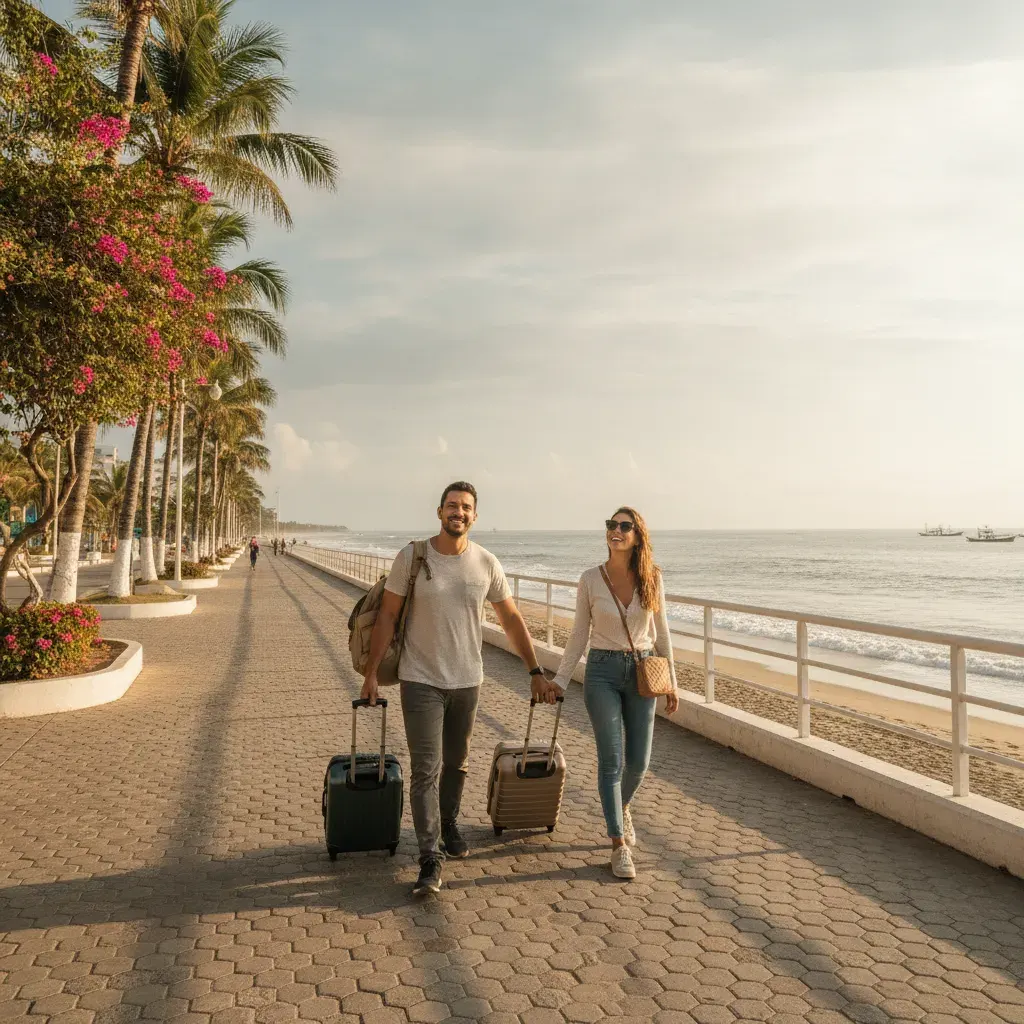
The malecón is Manta's living room. It was rebuilt and expanded after the 2016 earthquake and now runs past Playa Murciélago, the city's main beach, with restaurants, bars, and open-air events. On weekends it fills with families, joggers, and vendors. It's not a resort boardwalk — it's where Manta actually hangs out.
Neighborhoods Worth Knowing
- Murciélago / Barrio Umiña: steps from the malecón and the beach; walkable, restaurant-rich, and popular with expats who want to be in the middle of things
- Tarqui: central and commercial; less scenic, more practical, good for everyday errands
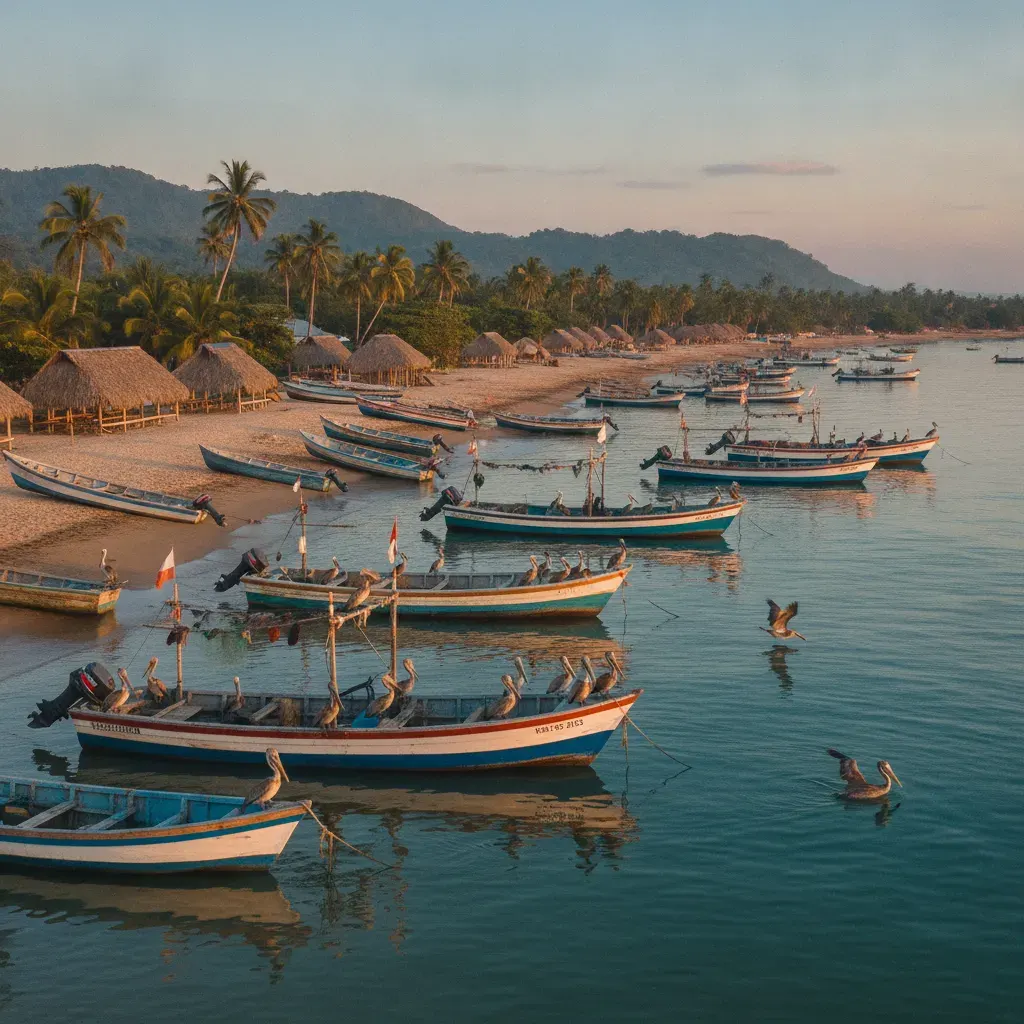
- Los Esteros: the port neighborhood, home to the fishing fleet; cheap seafood, real local flavor, rougher around the edges
- Barbasquillo: where newer high-rises and ocean-view condos cluster; the priciest area, popular with wealthy Quiteños and expats
- Santa Marianita: a beach town about 20 minutes south, known for kitesurfing and a small, active expat scene; quieter and windier than the city
The 2016 Earthquake and the Rebuild
A magnitude 7.8 earthquake hit Manabí in April 2016, killing hundreds and flattening entire blocks in Manta and nearby towns. As of late 2026 the city has largely rebuilt — new condos, a renewed malecón, repaired infrastructure — but you'll still see empty lots and buildings that never came back. That history matters if you rent or buy: ask about construction dates, inspections, and structural quality, especially in older buildings.
Climate and Daily Life
Manta is warm and humid year-round, with daytime temperatures typically in the 80s Fahrenheit (high 20s to low 30s Celsius). The wet season, roughly January to April, brings heavy but usually short downpours and plenty of heat. The middle of the year trends cooler, drier, and often overcast with the coastal garúa mist. If you need crisp mountain air and four seasons, this isn't it.
Rents and Cost of Living
Housing is Manta's biggest selling point: $500–$1,200 a month for a two- or three-bedroom place as of late 2026, with furnished beachfront condos at the top of that range and modest apartments well below it. Groceries, taxis, and eating out are inexpensive by U.S. standards. Air conditioning will noticeably raise your power bill in the hot months.
Healthcare, Shopping, and Services
Manta is one of the few coastal cities where you can handle most medical needs locally. The Manta Hospital Center offers a 24/7 ER and 30+ specialties, and there are public hospitals and IESS clinics as well. For complex or specialized care, many expats still travel to Guayaquil or Quito. On the practical side, Mall del Pacífico is a full modern mall, La Quadra is a smaller open-air center, and supermarkets cover most imported and local goods. Most expats also carry private health insurance; brokers like EcuaInsure (https://ecuainsure.com) are a common starting point for quotes.
Safety Context
Be honest with yourself about this one. Manabí has faced real security challenges in recent years, and Ecuador has used states of exception that can bring curfews and heavier police or military presence. As of late 2026, check official government channels, local news, and your embassy's advisories before you commit — and recheck them during your stay. Day to day, most expats live without incident by following the basics: don't flash valuables, avoid isolated beaches after dark, use trusted taxis or ride apps, and know your neighborhood.
Day Trips
- Montecristi: about 20–30 minutes north, the original home of the "Panama" hat
- Crucita: a relaxed fishing village and beach roughly 30 minutes north
- Puerto López and Machalilla National Park: around 1.5–2 hours south; whale watching runs roughly June–October
- Guayaquil: a few hours by road for big-city flights, hospitals, and shopping
Who It Suits — and Who It Doesn't
Manta suits expats who want a real city with an airport, private healthcare, malls, and lower costs than the Sierra — beach lovers, retirees, and remote workers who don't need perfect infrastructure.
Manta doesn't suit people who want a polished, walkable colonial city (that's Cuenca), those who need cool, dry weather year-round, or anyone who isn't comfortable with Ecuador's current coastal security climate.
What This Means for Expats
Manta is the most balanced coastal city in Ecuador: big enough for hospitals and flights, small enough to feel manageable, and cheaper than most alternatives. The trade-offs are real — humidity, a security situation worth monitoring, and a smaller social scene than the highland expat hubs. Visit for a month in the wet season before you commit, verify rents and neighborhoods in person, and you'll know quickly whether Manta fits.
Last updated: September 2026. General information only — verify details with official sources before acting.
Keep Coastal Ecuador's daily expat briefing independent.
Reader support helps pay for reporting, translation, editing, hosting, and the daily work behind CoastalEcuador.