IESS Health Insurance for Expats in Ecuador: Complete 2026 Guide

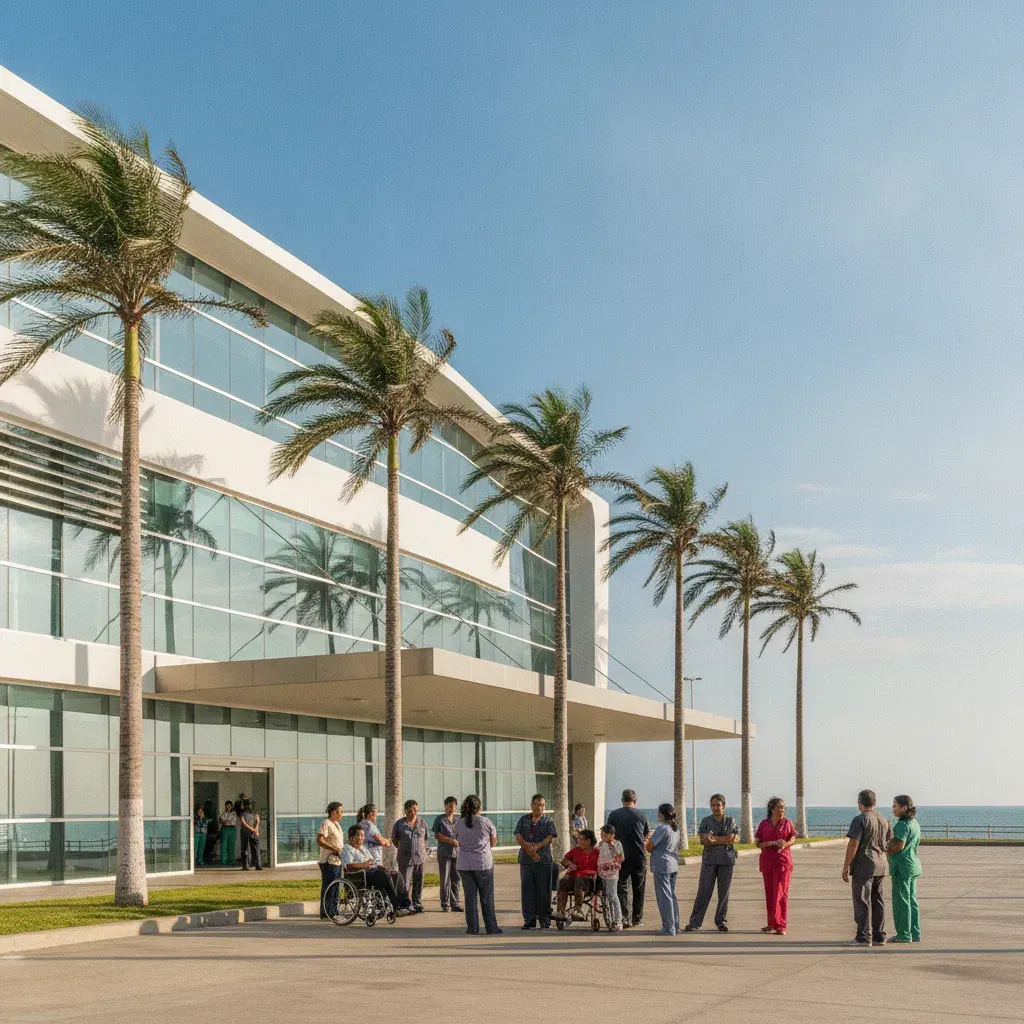
Ask ten expats on the coast about IESS and you'll get ten opinions. Some call it the best healthcare deal in the country. Others complain they waited three months to see a specialist. Both are true. IESS — the Instituto Ecuatoriano de Seguridad Social — is Ecuador's public social security system, and legal residents can enroll as voluntary affiliates. Understanding how it works, what it actually costs, and where it falls short is worth doing before you decide whether it belongs in your plan.
What Is IESS, and Who Can Join?
IESS is Ecuador's version of social security, funded by worker and employer contributions. Employees are enrolled automatically. Expats who hold a residency visa and a cédula can join as an afiliado voluntario — a voluntary affiliate — even if they don't work for an Ecuadorian employer. That includes retirees, remote workers, and anyone living here legally.
You don't need a local job to qualify, but you do need legal status. Tourists on a 90-day stamp can't enroll, and the process generally starts once your cédula is in hand.
What IESS Costs in 2026
Voluntary affiliates contribute a percentage of a self-declared income, with the minimum contribution base set at roughly $450 per month. The total rate lands near 18.9% of that declared base once the various components are included. In practice, most expats who declare the minimum pay somewhere around $85–$100 per month, deducted automatically from an Ecuadorian bank account. Declare a higher income and your contribution rises — along with your eventual pension credit.
As of late 2026, these figures move with Ecuador's minimum wage and IESS policy, so confirm the current base and rate at an IESS office before you budget.
| Item | Typical figure (late 2026) |
|---|---|
| Minimum declared base | ~$450/month |
| Total contribution rate | ~18.9% of declared base |
| Typical minimum monthly payment | ~$85–$100 |
| Waiting period for non-emergency care | ~3 months |
What IESS Covers — and What It Doesn't
For that modest monthly payment, coverage is broad:
- General practitioners and specialists
- Hospitalization and surgery
- Generic medications from IESS pharmacies
- Lab work and imaging
- Basic dental care
- Maternity care
What it does not cover: cosmetic procedures, and some pre-existing conditions during initial waiting periods. Certain treatments and brand-name drugs fall outside the formulary, so you may pay out of pocket for those.
The Waiting Period and the Appointment Reality
New voluntary affiliates typically face a three-month waiting period before non-emergency care begins. Emergencies are handled regardless.
The bigger practical issue is access. Appointments are booked through iess.gob.ec or the IESS app, and waits for specialists can run from several weeks to several months. Quality varies widely by facility: Manta and Guayaquil have the coast's better-equipped IESS hospitals, while smaller beach towns may offer only a basic clinic — meaning a referral and a road trip for anything serious.
How to Enroll
You'll need your cédula and residency visa, an Ecuadorian bank account for automatic debit, and basic personal and income documentation. Enrollment happens at an IESS office, and patience helps. If you'd rather not navigate the process in Spanish, some expats use a residency service like EcuaPass to handle the paperwork side.
The Expat Strategy: Catastrophe Coverage Plus Cash-Pay Care
The most common approach on the coast is a hybrid:
- Keep IESS active for catastrophic coverage — surgery, hospitalization, a serious accident. At roughly $100 a month, it's cheap protection against a bill that could otherwise hit five figures.
- Pay cash for everyday care. A private GP visit in Manta or Salinas typically runs $30–$60, often with a same-day or next-day appointment. For many expats that's faster and less frustrating than working through IESS queues.
- Add private insurance if your budget allows, especially if you're older or managing a pre-existing condition, so you can walk into a private hospital when you need to.
What This Means for Expats
IESS is not a replacement for the kind of coverage many North Americans are used to — it's a safety net. It's inexpensive, it counts toward residency and eventually pension credit, and it will be there if something catastrophic happens. But if you expect quick specialist appointments and modern private facilities, build a second layer: cash-pay private care for routine needs and private insurance for the gaps. Budget for both, keep your contributions current so waiting periods never restart, and don't wait until you're sick to enroll.
The Bottom Line
IESS is one of the best values available to legal residents in Ecuador — roughly $85–$100 a month for broad coverage — as long as you understand its limits and plan around them. Enroll early, use private care for convenience, and treat IESS as your backstop.
Last updated: September 2026. General information only — verify details with official sources before acting.
Free: Ecuador Visa Checklist (PDF)
The exact documents you need — sent to your inbox in 60 seconds.
No spam. See the full landing page.
Keep Coastal Ecuador's daily expat briefing independent.
Reader support helps pay for reporting, translation, editing, hosting, and the daily work behind CoastalEcuador.