Healthcare and Hospitals on Ecuador's Coast: What Expats Need to Know
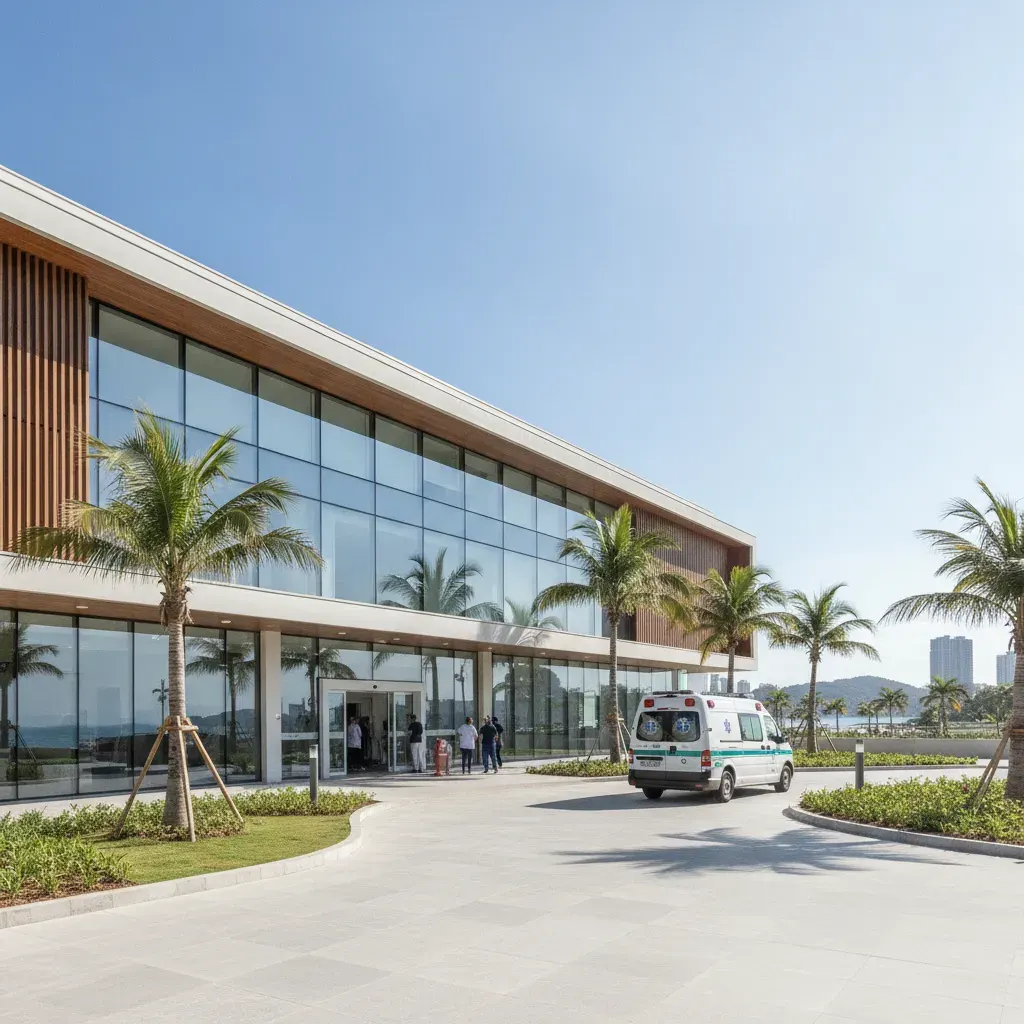
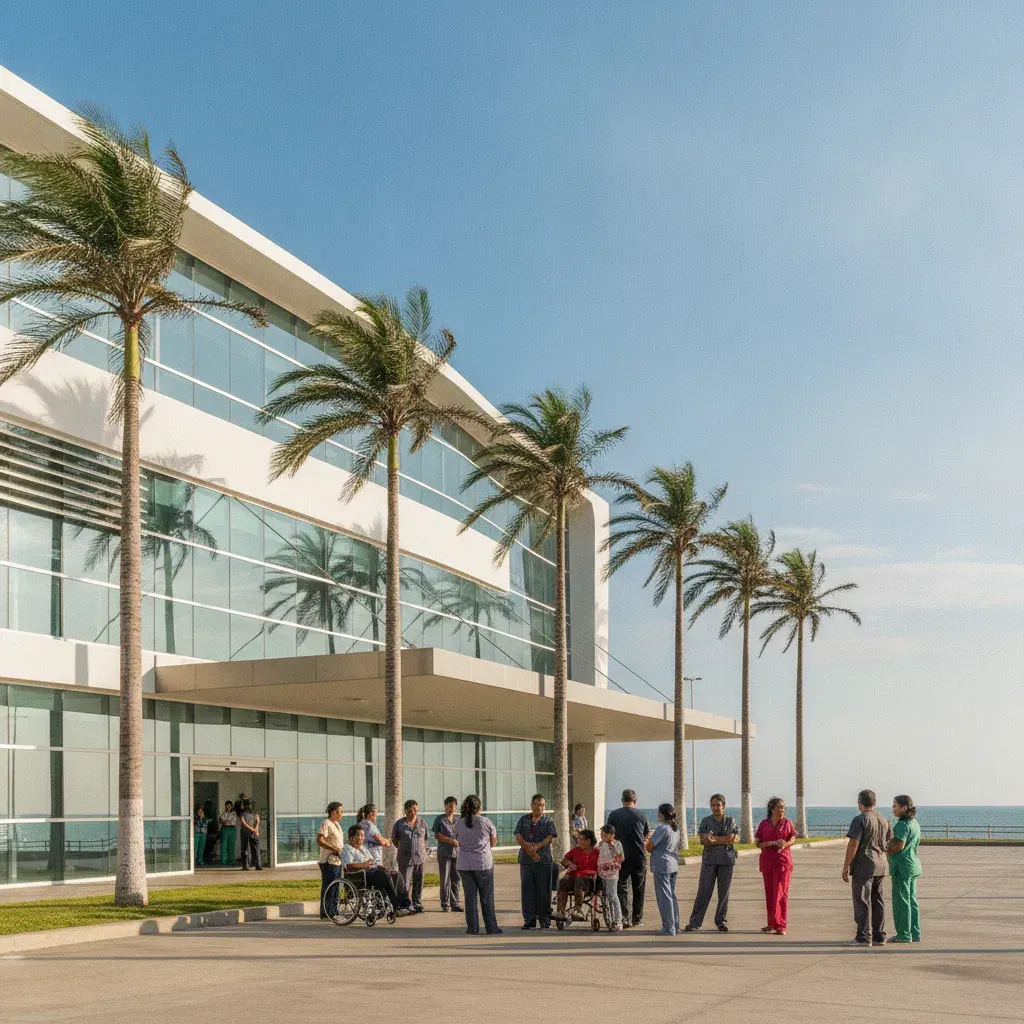
Healthcare on Ecuador's coast is better than most new arrivals expect — and more limited than they hope. Manta and Guayaquil have modern private hospitals with intensive care units and dozens of specialties. Montañita has a clinic, a couple of doctors, and a pharmacy. Knowing which one you're relying on matters, especially if you have a chronic condition or a medical emergency at 2 a.m.
How the System Works: Public and Private
There are three layers:
- IESS — the social security system, for enrolled affiliates. Broad coverage, lower cost, longer waits.
- MSP (Ministerio de Salud Pública) — public hospitals and health centers. Low-cost or free, but often crowded.
- Private — hospitals, clinics, and independent doctors. Pay cash or use private insurance. Fast, modern in the bigger cities, and far cheaper than U.S. care.
Most expats on the coast use private care for routine needs, sometimes carry IESS as a backstop, and head to Guayaquil for anything complicated.
What's Available, Town by Town
Manta
The coast's strongest medical city outside Guayaquil. Manta Hospital Center is a private hospital with a 24/7 emergency room, more than 30 specialties, and an ICU. The city also has public hospitals and an IESS hospital. For routine care and many serious situations, Manta is the northern coast's hub.
Salinas and Santa Elena
Salinas, La Libertad, and Santa Elena have private clinics, labs, a public hospital, and a reasonable range of specialists and dentists. Serious cardiac, neurological, or complex surgical cases, however, are usually referred to Guayaquil, about two hours away by road.
The Smaller Surf and Beach Towns
Montañita, Olón, Ayampe, Puerto López, Canoa, and Bahía de Caráquez have basic clinics, a handful of GPs, dentists, and good pharmacies. They're fine for minor issues and stabilization. For anything serious, you travel — usually to Manta or Guayaquil. In an emergency, that distance is the whole story.
Guayaquil: The Regional Referral Hub
For complex care, the coast looks to Guayaquil. Omni Hospital and several other large private hospitals offer advanced specialties, modern imaging, and ICUs, generally at prices well below U.S. levels. Plan on several hours of travel from most coastal towns.
| Area | Main facilities | Best for | Nearest serious care |
|---|---|---|---|
| Manta | Manta Hospital Center (private, 24/7 ER, 30+ specialties, ICU); public and IESS hospitals | Most needs on the north coast | Guayaquil for the most complex cases |
| Salinas / Santa Elena | Private clinics, labs, public hospital | Routine and stable care | Guayaquil (~2 hours) |
| Montañita, Olón, Ayampe, Puerto López | Small clinics, GPs, pharmacies | Minor issues, stabilization | Manta or Guayaquil |
| Bahía de Caráquez / Canoa | Local clinics and basic hospital | Routine care | Manta or Guayaquil |
| Guayaquil | Omni Hospital and other large private/public hospitals | Complex and specialty care | — |
Pharmacies and Medications
Fybeca, Pharmacys, and Medicity are the common chains, and you'll find a farmacia in almost every town. Many everyday medications — antibiotics, blood pressure pills, painkillers — are available without a prescription at low prices, and generics are widely used. Bring a copy of your prescriptions and medical history in Spanish so a local doctor can pick up where your doctor back home left off.
What It Costs
Private prices vary by city and facility, but as of late 2026 a typical private consultation runs $30–$60, ER visits are modest by U.S. standards, and private hospitalization can run $200–$500 per day depending on the room and hospital. Always verify current prices locally — and get an estimate before non-emergency procedures.
For visitors, travel insurance with medical and evacuation coverage is worth every penny; a medevac flight can run into five figures. Long-term expats often pair IESS with a private policy — services like EcuaInsure work specifically with expats on coastal coverage.
Ambulances, Medevac, and 911
911 is Ecuador's nationwide emergency number and works from any phone. Public ambulance response times vary widely outside the cities, and in smaller towns you may be better off arranging private transport. Private ambulance services exist in Manta, Salinas, and Guayaquil. For critical cases, patients are stabilized locally and then moved — to Guayaquil or, in rare cases, abroad. Know your plan before you need it.
Build Your Medical File Before You Need It
Pick a general practitioner and see them once while you're healthy. Keep a paper folder with your diagnoses, medications, allergies, and past surgeries — ideally in Spanish — plus digital copies. Save the address of your nearest private hospital and clinic in your phone. This one habit makes every future medical encounter smoother.
What This Means for Expats
Where you live largely determines your medical access. If you're healthy and active and want a quiet surf town, basic local care plus occasional trips to Manta or Guayaquil is usually fine. If you have a chronic condition, are pregnant, or are over 65, live near Manta or within easy reach of the Guayaquil corridor. Keep insurance active, keep cash or credit available for emergencies, and don't assume the nearest clinic can handle everything.
Last updated: September 2026. General information only — verify details with official sources before acting.
Keep Coastal Ecuador's daily expat briefing independent.
Reader support helps pay for reporting, translation, editing, hosting, and the daily work behind CoastalEcuador.