"Renting a Home on Ecuador's Coast: A Practical Expat Guide (2026)"

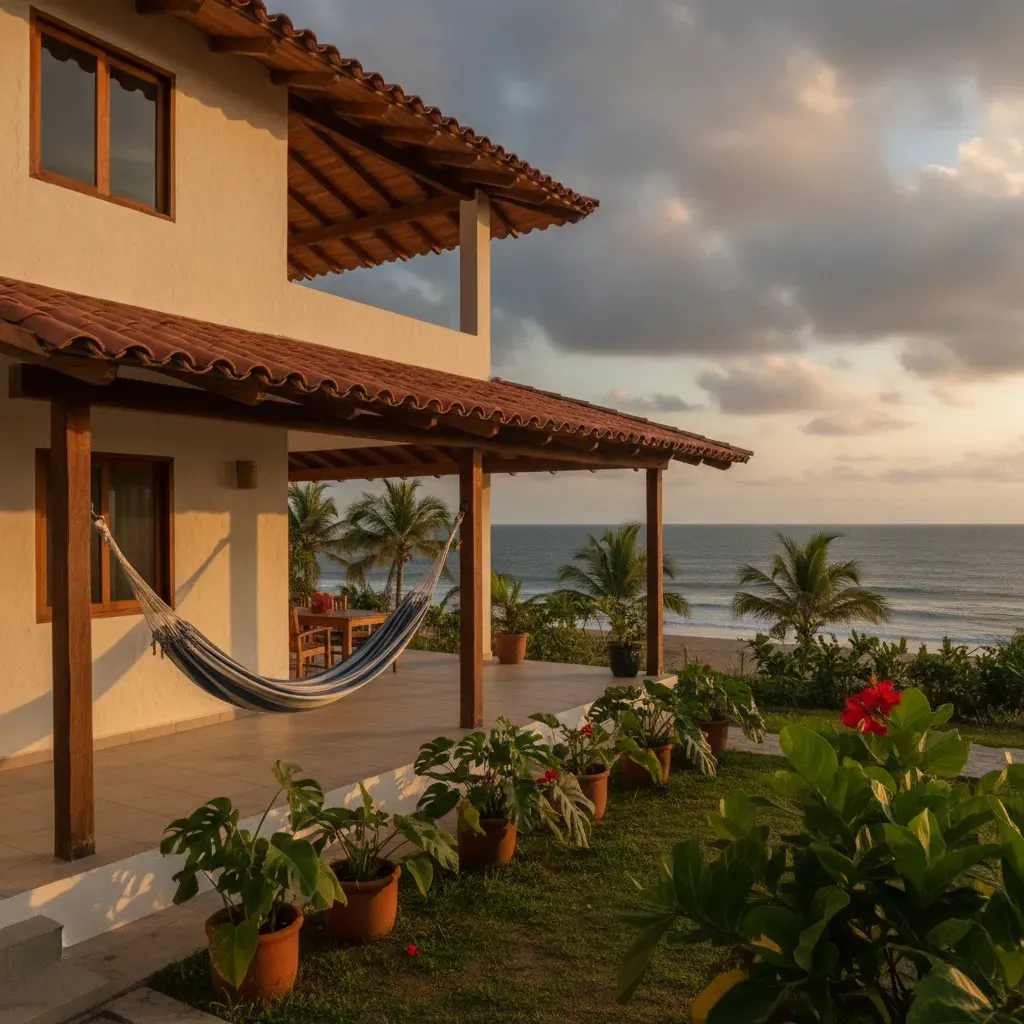
Renting on Ecuador's coast is refreshingly informal — and that informality cuts both ways. There's no credit score gauntlet, no endless application portals, and often no written lease at all for short stays. But informal also means you need to ask better questions before you hand over money. Here's how the rental market actually works from Bahía to Salinas.
Two Rental Markets: Short-Term and Long-Term
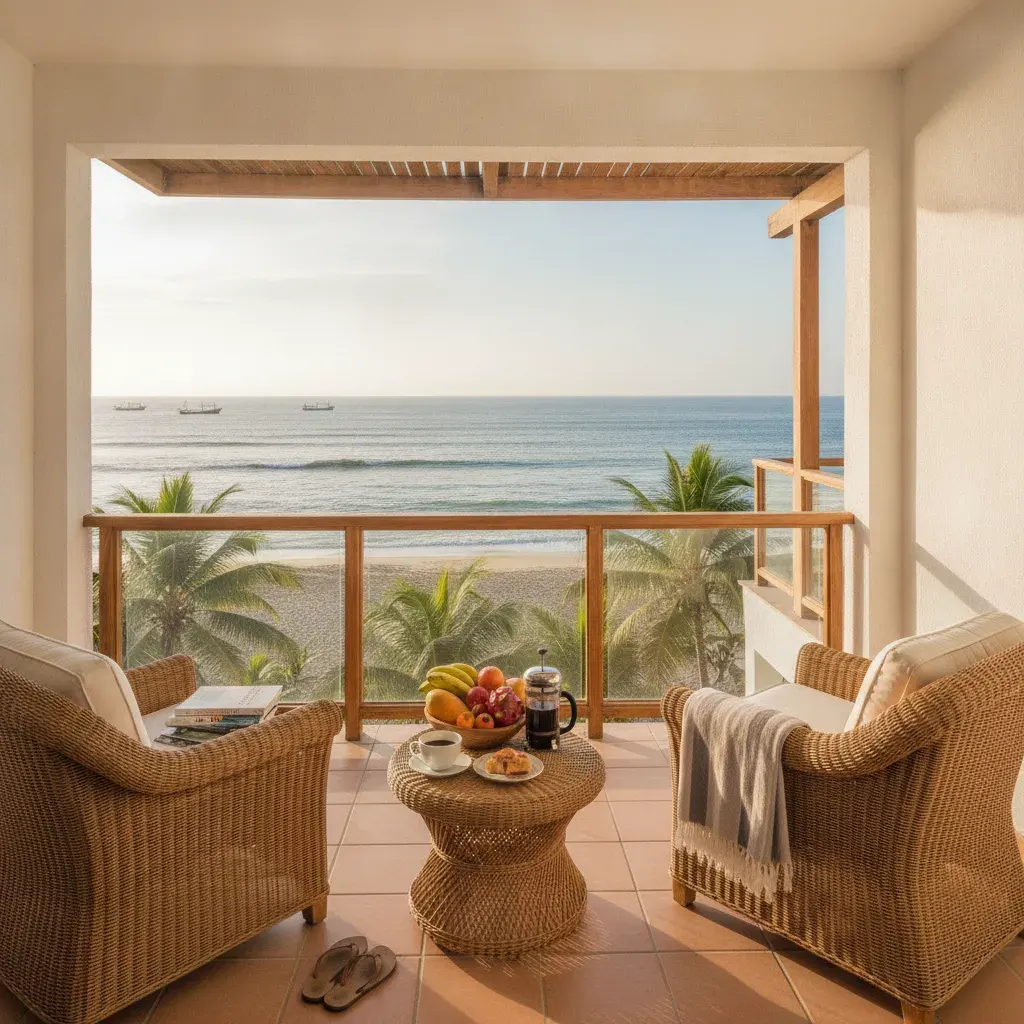
Short-term furnished rentals — Airbnb, VRBO, and furnished month-to-month places — typically run $600–$1,500 per month, with peak season (roughly December through April) at the high end. They're flexible, usually include furniture and sometimes utilities, and are the standard landing spot for new arrivals.
Long-term leases are typically 1–2 year contracts, often with the first month, last month, and a deposit due at signing. A two-bedroom in many beach towns runs $300–$800 per month, while Manta and Salinas oceanfront units with views and pools push higher.
| Location | Typical 2BR long-term | Notes |
|---|---|---|
| Salinas | $400–$800 | Oceanfront high-rises cost more |
| Manta | $350–$700 | More inventory, full city services |
| Montañita / Olón / Ayampe | $300–$600 | Seasonal swings, quieter streets |
| Puerto López | $300–$550 | Basic, walkable, fewer furnished options |
| Bahía / Canoa | $300–$600 | Canoa is more rustic |
What "Furnished" Really Means in Ecuador
It ranges from a bed, a table, and a fridge to a fully equipped home. Always get an inventory list, walk through every room, and test the appliances. Check the AC units, the hot water (electric shower heads are common), the stove, and the internet. If it's not in the inventory and in writing, assume it won't be fixed later.
Utilities, Water, and the AC Trap
Utilities are usually not included in long-term rent. Electricity can spike hard when air conditioning runs daily — budget $60–$200+ per month depending on the unit and how you use it. Water service is generally cheap but can be interrupted in the dry season, so ask whether the building has a storage tank (a tinaco). Internet quality varies street by street; run a speed test during your visit rather than trusting a description.
How to Find a Place
- Facebook groups for expats and rentals in each town — often the fastest source of leads.
- Local rental agents — useful for gringo-friendly contracts, though some charge a fee.
- Walking the town — many owners still advertise with a simple "Se Alquila" sign and no listing.
- Classifieds and community boards — GringoTree-style sites and local expat newsletters carry listings.
- CoastalEcuador.com's rentals directory, where owners list coastal properties directly.
12 Questions to Ask Before You Sign
- What exactly is included — water, electricity, internet, garbage?
- Is the rent fixed for the full term, or does it adjust annually?
- How much is the deposit, and under what conditions is it returned?
- What happens to the water in dry season, and is there a storage tank?
- Can I test the internet speed right now?
- How do the AC units work, and what's a typical monthly electric bill?
- Is there hot water in every shower?
- Who handles repairs, and how quickly?
- Is the lease Spanish-only, and can I get a translated copy?
- Are pets allowed, and are there any building restrictions?
- What's the notice period if I need to leave early?
- Can I see the property at night — and during or after rain?
Negotiating, References, and Guarantors
There's usually no credit check in Ecuador, but a landlord may ask for references or a local guarantor, and some ask for proof of income or a larger deposit instead. Spanish helps enormously at the negotiating table; rents are sometimes slightly flexible, especially in the off-season. Get every agreement — rent, deposit, included services, repair responsibilities — in writing, even a simple page signed by both parties. If the contract is Spanish-only, a translation service like EcuadorTranslations can give you a version you actually understand before signing.
Deposits and Disputes
Deposits are typically one month's rent, sometimes two. Photograph everything at move-in, keep receipts for every payment, and agree in writing on what counts as normal wear. Disputes are uncommon but hard to resolve without documentation, so create a paper trail from day one.
The Golden Rule: Rent Before You Buy
Every coastal town feels different after two weeks of rain, a power outage, or a holiday weekend. Rent for at least six months — through a full season if you can — before considering a purchase. The rental you outgrow teaches you what you actually want in a home, and it costs far less than a mistake.
What This Means for Expats
You can land on the coast with no local credit history, no guarantor, and a suitcase, and still have a place within a week or two. The trade-off is homework: inspect in person, test everything, document the condition, and get terms in writing. Do that, and renting here is one of the least stressful parts of the move.
Last updated: September 2026. General information only — verify details with official sources before acting.
Keep Coastal Ecuador's daily expat briefing independent.
Reader support helps pay for reporting, translation, editing, hosting, and the daily work behind CoastalEcuador.